Another Cash Idea: Preferred Shares
One of my best investments during the pandemic was in a preferred share.
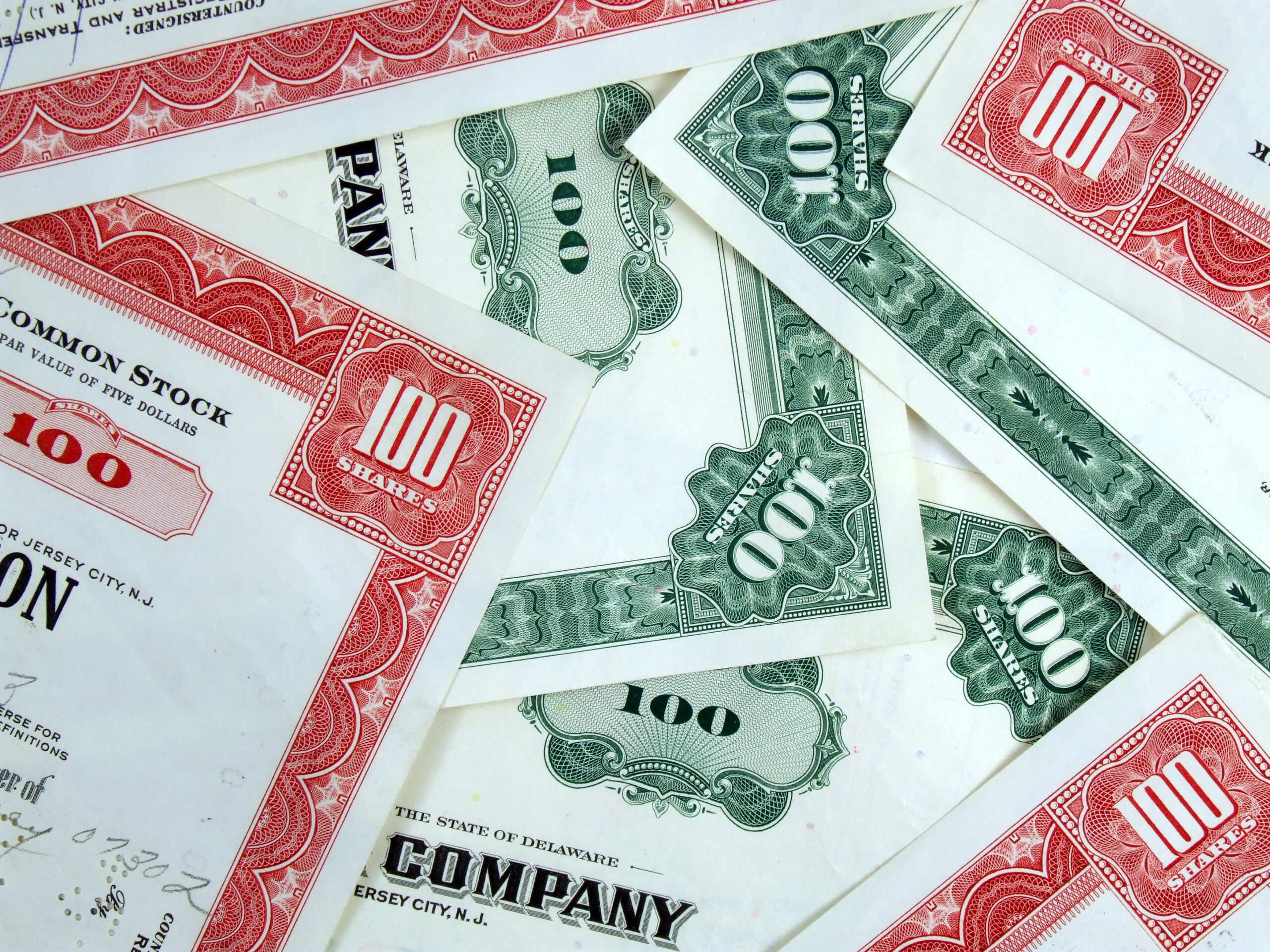
If you don’t know them, preferred shares are equities that trade on the stock market but act more like bonds. The price fluctuates, they pay a higher than usual dividend, and the company might have the right to buy them back from you.
The company was Brookfield Office Properties (BPO) and the preferred share:
- was selling for $15.20 at the time
- paid a yield of 8.39% on that price
- reset in 18 months
- would pay a yield of at least 5.10% (or more) if it reset
- can be optionally redeemed by the company for $25 per share
So there were maybe three possible outcomes:
- The stock would be redeemed at its redemption price ($25), giving investors a 40% capital gain in one year plus 8.39% per year in dividends
- The stock would not be redeemed (it would be reset), and I would get one year at 8.39% at which time I can sell the stock; the stock was not likely to go down lower than it was since it was already a great discount to its value
- Or the stock would not be redeemed (it would be reset), but the price would recover in the next year to reflect its value plus one year at 8.39%
When I weighed the options, I decided this was close to a no-brainer. All three options ended in a nice return.
Needless to say, I made a nice profit in only a few months. The value of the preferred share recovered quickly, and I decided to get out once it was up 33% after 3 months. Preferred shares, however, can be affected by rising interest rates like bonds.
I personally don’t like bonds, especially in a rising interest rate environment. But when preferred shares can trade at a big discount to their redemption amount and have big yields as a result, there might be something interesting there.
In theory, other than interest rate changes by the government, the price of a preferred share should be fairly stable. Maybe that’s the biggest risk here.
You’d have to be fairly certain that the central bank is no longer raising rates.